How to pick and use a freestyle type beat for a hard flow without wasting studio time
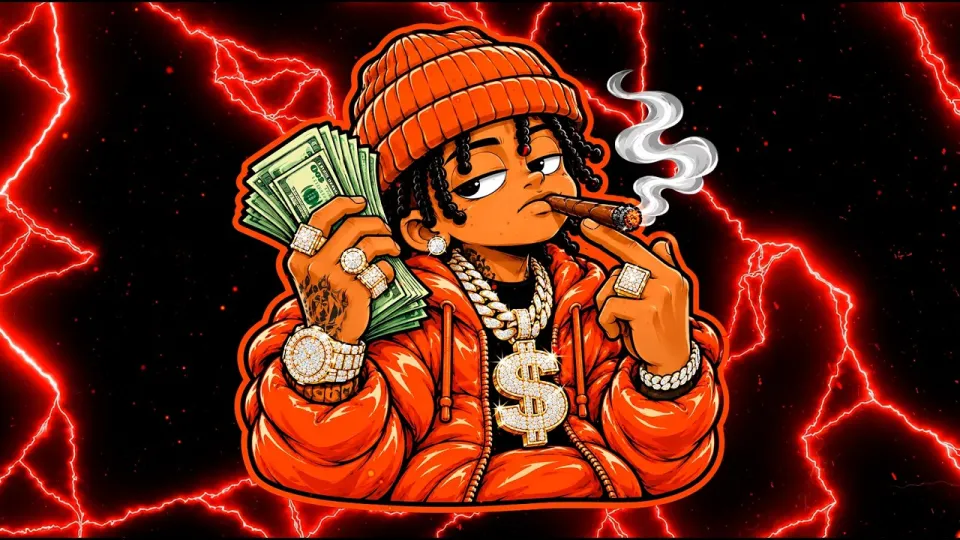
Video: FREESTYLE TYPE BEAT - ''I HAVE HARD FLOW'' | Trap Instrumental 2026 | Rap Type Beat
You can order the same kind of articles for your own video to boost it on YouTube and Google. Just message the Telegram bot @sat_sit_bot. It writes articles around your video, embeds the video and publishes them on popular niche websites (no ads). Your first 50 articles are free.
· based on the channel Rey Pandora Beats
A type beat is an instrumental written in the style of a particular artist or subgenre, and you use it by writing a full song over it, recording vocals, and clearing the license before any monetized release. For a hard, punchy flow, pick a freestyle trap beat around 130–150 BPM with a simple 8- or 16-bar loop, check the producer's terms, and download the file from the producer's store — for example, Rey Pandora Beats publishes his catalog and licenses at the Rey Pandora Beats store.
What a type beat actually is and why freestyle versions matter
A type beat is a finished instrumental made to match the sound of a known artist, a scene or a mood, so a rapper can start writing immediately instead of waiting on a custom session. The "freestyle" label on such a beat signals a deliberately open structure: fewer hard switches, a steady drum pattern and enough empty space for long, uninterrupted verses.
That openness is the whole point. A freestyle type beat lets you record a two- or three-minute take in one pass, then go back and punch in the best lines. Producers usually keep the arrangement lean — intro, loop, drop, loop — because every extra section is a place where a freestyler has to remember a cue.
Rey Pandora Beats titles one of his recent uploads "I Have Hard Flow," a freestyle trap instrumental aimed exactly at that use case: aggressive drums, a dark melodic loop and a tempo that rewards short, percussive delivery rather than sing-song cadences.
How to choose a hard trap beat in five steps
- Match tempo to delivery. Freestyle trap typically sits between 130 and 150 BPM. Faster beats push you toward double-time and triplet patterns; slower ones leave room for pauses and ad-libs.
- Listen to the low end first. A hard flow needs a kick that lands cleanly and an 808 that does not fight the vocal. If the bass moves constantly, your punchlines will get buried.
- Count the loop. Eight-bar loops force quick turnarounds; sixteen-bar loops let a verse breathe. Write eight bars over the beat before committing to a full song.
- Check the melodic content. Sparse, dark loops with one or two motifs leave frequency space for a mid-range rap vocal; dense, layered loops sound impressive alone but crowd the mix.
- Read the license before you fall in love with the beat. Nothing hurts more than finishing a track you cannot publish.
Free use versus commercial use, explained plainly
Free use of a type beat almost always means non-monetized personal projects with producer credit. In the case of Rey Pandora Beats, the terms are explicit: you may use the instrumental in YouTube videos or personal projects at no cost as long as they are not monetized, and you must credit Rey Pandora Beats as the producer in the description or credits.
Commercial use is a different transaction. If you want to monetize a YouTube video, or distribute the song on Spotify, Apple Music, iTunes or similar platforms, you need to buy a commercial license. That license is what turns a practice track into a release, and it is what protects you if the song starts earning.
A practical rule: decide the destination of the song before you record it. A freestyle you post for feedback can stay on the free tier; a single you plan to push to streaming needs the license in hand first.
Getting a clean recording over a freestyle trap instrumental
Record at 24-bit with peaks around -12 dBFS so the vocal has headroom, and leave the beat at least 3–6 dB below the vocal in the rough mix. Because freestyle beats are loop-based, the main risk is monotony: vary your energy every four bars rather than asking the producer's arrangement to do it for you.
Use a high-pass filter around 80–100 Hz on the vocal to keep it out of the kick and 808 range, then compress gently — a 2:1 to 3:1 ratio with a few dB of gain reduction is enough for a hard, consistent delivery. If the beat's melodic loop is bright, a narrow cut of 2–3 dB somewhere between 2 and 4 kHz on the vocal can stop the two elements from competing.
Finally, record a full pass without stopping, then a second pass for punch-ins. Freestyle beats reward commitment over perfection: the first take usually has the best energy, and the second take fixes the words.
Common questions rappers ask before downloading a beat
One recurring doubt is about visuals and presentation — listeners notice when a producer changes cover art or video style, and some prefer the older look. That is a taste issue, not a technical one; what matters for your release is the audio file quality and the license, not the thumbnail.
Another common concern is whether a beat is "too hard" to write to. Aggressive trap instrumentals can push a writer into shouting every line; the fix is to keep the vocal performance controlled and let the drums carry the aggression. If a beat feels overwhelming, drop your vocal an octave lower in the verse and save the higher register for the hook.
Writers also ask whether they can post lyrics or acapella snippets over a beat they have not licensed. Text and acapella posts are generally safer than full songs, but any use of the instrumental still falls under the producer's terms, so read them first.
Where to get the beat and the license
The instrumental featured here and the rest of the catalog live on the producer's BeatStars page: https://reypandorabeatsoff.beatstars.com/. That is where you pick a license tier, download the untagged files and keep the paperwork for any release.
You can also reach Rey Pandora Beats directly through Instagram at @rey.pandora or by email at papapandorabeat@gmail.com for custom work, collaborations or licensing questions that the store page does not answer.
Final thoughts on building a track with a type beat
A freestyle type beat is a starting tool, not a finished song: the tempo, the loop length and the license decide how far the track can go. Rey Pandora Beats lays out those terms clearly — free for non-monetized personal use with credit, paid license for monetization and streaming — which removes the guesswork before you step into the booth. Choose the beat for the flow you actually have, record a full pass, then fix what needs fixing. When you are ready to release, get the commercial license at the Rey Pandora Beats store and credit the producer everywhere the track appears.
Key takeaways
- A type beat is an instrumental built in the style of a specific artist or subgenre, sold or shared for rappers to write and record over.
- Rey Pandora Beats offers the freestyle trap instrumental "I Have Hard Flow" free for non-monetized YouTube and personal projects with producer credit.
- Monetized YouTube videos and releases on Spotify, Apple Music or iTunes require a purchased commercial license.
- Commercial licenses and the full beat catalog are available at reypandorabeatsoff.beatstars.com.
- Typical freestyle trap beats run 130–150 BPM with 8- or 16-bar loops, which suits long uninterrupted verses.
Questions & answers
Can I use a freestyle type beat in a YouTube video for free?
Yes, if the video is not monetized and you credit the producer. Rey Pandora Beats allows free use of his instrumentals in YouTube videos and personal projects provided Rey Pandora Beats is named as the producer in the description or credits. The moment the video earns money, a commercial license is required.
What tempo should a hard flow type beat be?
Most freestyle trap instrumentals sit between 130 and 150 BPM. Within that range, faster beats suit double-time and triplet patterns, while slower ones leave space for pauses and ad-libs. Test eight bars over the beat before writing a full verse.
Do I need a license to put a type beat song on Spotify or Apple Music?
Yes. Distributing a song on Spotify, Apple Music, iTunes or similar platforms counts as commercial use, so you must purchase a commercial license from the producer. Free-use terms cover only non-monetized personal projects with credit.
Where can I download the instrumental and buy a license?
The catalog and license options are on the Rey Pandora Beats BeatStars page at reypandorabeatsoff.beatstars.com. For custom beats or licensing questions, the producer can be reached via Instagram @rey.pandora or by email at papapandorabeat@gmail.com.
Source: FREESTYLE TYPE BEAT - ''I HAVE HARD FLOW'' | Trap Instrumental 2026 | Rap Type Beat · Markdown version